Loading...
Serving Harlingen, TX and surrounding areas. (956) 264-1934
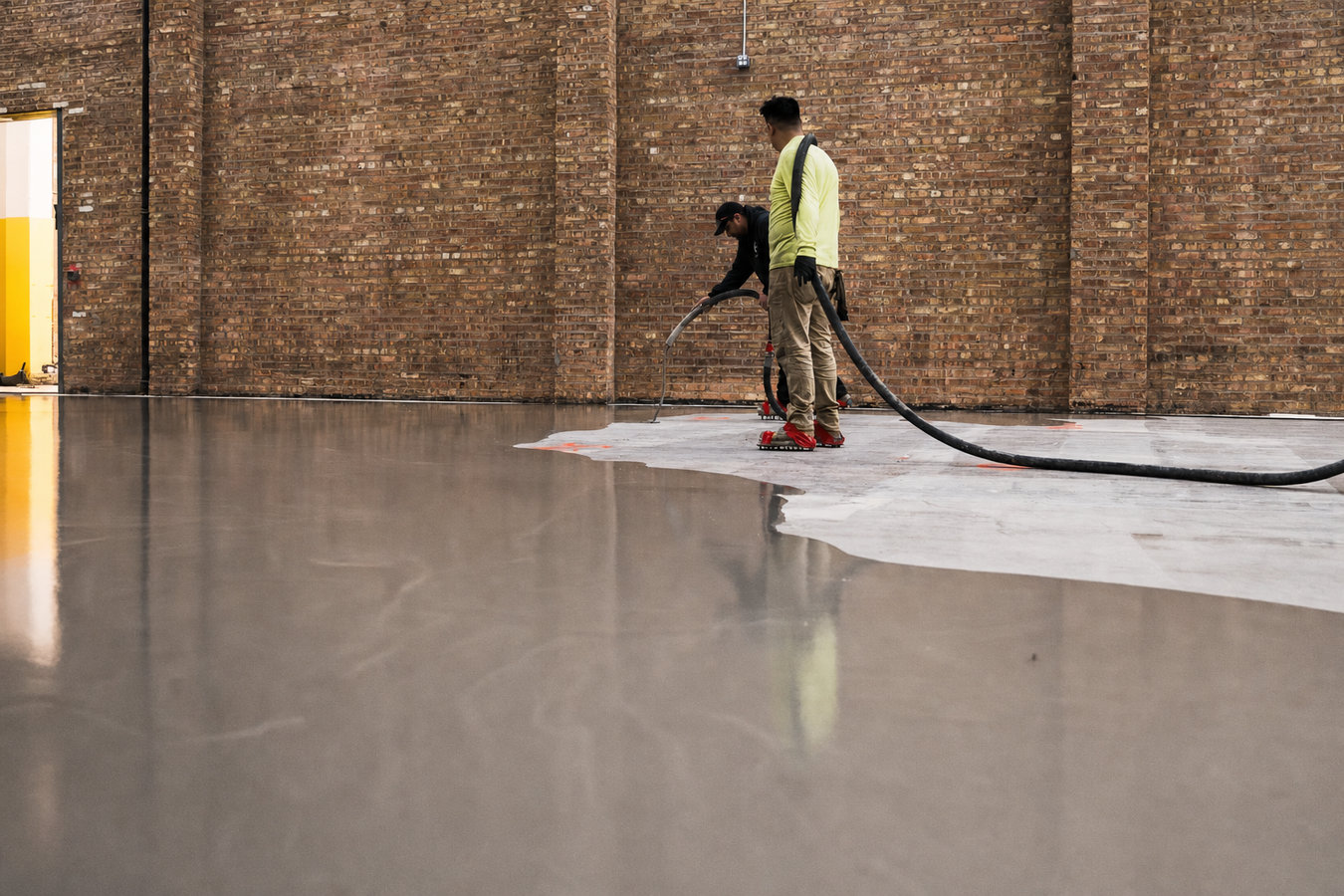
Harlingen's clay soil shifts floors over time. Self-leveling concrete corrects dips, humps, and uneven slabs in a single pour - creating a flat base for new flooring or a finished surface that works the way it should.
Self-leveling concrete in Harlingen, TX is a specially mixed material that flows across a floor and finds its own flat surface without being spread by hand - most single-room interior jobs are poured and ready for light foot traffic within 24 hours, with new flooring installable within two to three days. A contractor pours it over an existing floor that has dips, humps, or uneven spots, and it fills those low areas and smooths itself out as it sets. The result is a flat, solid base ready for tile, hardwood, vinyl plank, or a decorative finish.
Many Harlingen homeowners need this service because the clay soil under their slab has been slowly shifting for years - cracking tile, making furniture rock, and trapping water on outdoor slabs after it rains. In older homes where the original slab was never meant to be a finished surface, a decorative overlay applied after leveling is often more practical and far less expensive than tearing the whole thing out. If the surface is ready to be a finished floor on its own, we can pair leveling with concrete resurfacing and overlays to give you both the correct base and the finished look in one project.
If furniture rocks slightly, water pools in one spot after mopping, or you can feel a rise or drop when you walk across the floor, your slab has likely shifted. In Harlingen this is almost always caused by the clay soil expanding and contracting with moisture changes - it is extremely common and does not mean your home is in danger. A self-leveling pour corrects these variations and gives you a flat, stable surface again.
When the floor underneath moves, the finished surface on top takes the hit first. If you are seeing grout lines cracking, tiles lifting at the edges, or vinyl planks separating at the seams, the problem is usually the uneven slab below - not the flooring material itself. Replacing the flooring without addressing the slab first means you will be doing it again in a few years.
Most flooring installers require a floor to be flat within a certain tolerance before they will lay tile, hardwood, or luxury vinyl. If your installer has flagged the floor as too uneven, or if you have noticed the problem yourself, self-leveling concrete is the standard fix. Addressing it before the new floor goes down costs far less than repairing a failed installation afterward.
Outdoor slabs that have settled unevenly trap water in low spots. In Harlingen's rainy season that creates a standing-water problem that breeds mosquitoes and speeds up concrete deterioration. An overlay applied with a slight slope correction redirects water toward a drain or the yard edge, solving both the drainage and the surface problem at once.
We handle interior floor leveling, decorative overlay applications, and exterior slab corrections throughout Harlingen and the surrounding Rio Grande Valley. The most common application is leveling a residential floor before new tile or luxury vinyl goes down - flooring installers typically require a flat surface within a specific tolerance, and this is the most reliable way to meet it. We also apply decorative overlays directly over older slabs that just need a fresh, finished surface without any structural issues underneath. For outdoor areas that have developed drainage problems from settling, an overlay applied with a deliberate slope correction solves both the surface and the standing-water issue at once. We can connect leveling and overlay work with pool deck coatings and resurfacing when the project involves a pool surround or a covered outdoor area that needs a non-slip, UV-resistant finish.
Surface preparation is the step that determines whether an overlay bonds and holds or peels and fails. We grind or mechanically clean the existing floor to roughen it, fill any deep cracks, and apply a bonding primer when the slab shows moisture - which is common in Harlingen's humid climate and on older slabs poured directly on soil. The International Concrete Repair Institute sets the surface preparation standards that guide how this work should be done, and we follow those guidelines because they are the reason a properly done overlay lasts while a shortcut job does not. We also check for moisture before every pour - sealing over a damp slab is one of the most common and avoidable causes of early overlay failure.
Corrects dips and humps in residential and commercial slabs before tile, hardwood, or luxury vinyl is installed - the most common use case for this material.
Transforms a worn, stained, or dated garage, laundry room, or living area slab into a finished surface without tearing out the old concrete.
Addresses settling, surface wear, and drainage issues on outdoor slabs, finished with a UV-resistant sealer suited to South Texas conditions.
A thin, precise application that brings a floor into the flatness tolerance required by flooring installers - a straightforward fix for a common problem.
Harlingen is built almost entirely on slab-on-grade construction sitting on expansive clay soil. That soil swells when it gets wet during the rainy season - Harlingen averages around 27 inches of rain per year, much of it in intense bursts - and then shrinks during the dry summer months. That cycle of expansion and contraction puts constant stress on slabs from below, and over 30 to 50 years it produces the dips, humps, and cracks that show up in so many Harlingen homes. Self-leveling concrete is the most practical and cost-effective way to correct those problems without the disruption and expense of breaking out and replacing the original slab. A large share of Harlingen homes built between the 1960s and 1990s are at the age where this kind of work makes real sense - the slab is structurally intact but the surface has moved enough to cause problems with flooring, drainage, and daily use.
We work with homeowners throughout the area, including projects in Donna and Alamo. Working in this climate every season means we know how to adjust our pour timing, mix selection, and moisture testing for conditions that would not come up on a job in a drier or cooler part of Texas. That local experience matters when a pour needs to flow flat and bond correctly in summer heat or ahead of the rainy season.
Tell us what room or area you are dealing with and what the floor looks like now. We will figure out whether you need a site visit or whether a rough ballpark conversation over the phone makes sense first. No obligation either way.
We walk the space, check the existing floor for moisture, assess crack depth and slab movement, and measure the area. You get a written estimate that spells out exactly what we are going to do and what it will cost - including any moisture-blocking primer if the slab needs it.
On the day of work the crew grinds or mechanically cleans the existing floor to roughen it, fills deep cracks, and applies a bonding primer if moisture is present. This prep can take as long as the pour itself - that is normal and a sign the job is being done right.
The material is mixed and poured, flowing across the floor to find its own level. Most floors are ready for light foot traffic within 24 hours. We do a final walkthrough with you before we leave and give you a specific curing timeline so you know exactly when you can bring furniture back in or schedule your flooring installer.
We will come look at your slab, tell you exactly what it needs, and give you a written quote with no obligation.
(956) 264-1934Sealing over a damp slab is one of the most avoidable causes of early overlay failure, and it is common in Harlingen's humid climate. We test every floor for moisture before we pour anything. If moisture is present, we apply a blocking primer - which adds a small cost but prevents a much bigger problem later.
The International Concrete Repair Institute's surface preparation guidelines exist because shortcuts here cause most overlay failures. We grind and profile every floor to the required level so the new material bonds tightly instead of peeling off within months. That step takes as long as it takes, and we do not rush it.
We have assessed enough Harlingen slabs to recognize the difference between settled-and-stable and still-moving. Pouring self-leveling concrete over an actively shifting slab produces a short-term fix that fails quickly. We tell you the honest answer after the assessment - even when it is not the one you were hoping for.
The anxiety of mid-project surprises is real. Our estimates spell out exactly what is included - prep, pour, primer if needed, curing timeline - so you are not handed a larger bill because we found a problem we could have flagged on the initial visit. Honest upfront pricing is how we build repeat business in a close-knit community like Harlingen.
Getting this work done right means doing the assessment honestly, the prep thoroughly, and the pour correctly for the conditions. That combination is what produces a floor that stays flat and a homeowner who does not have to call someone back.
Outdoor slabs that have settled unevenly around pools benefit from both leveling and a protective coating that handles sun, water, and foot traffic.
Learn MoreOnce the base is level, a decorative or protective overlay transforms the surface appearance without the cost and disruption of a full replacement.
Learn MoreFall is the best time for concrete work in South Texas - schedules fill up fast once the heat breaks, so call today.